
Trending Dropshipping Products for 2026 | Ecommerce.co

Your product choice means nothing if you are late.
Right now, products are breaking out on TikTok, climbing on Google Trends, and quietly picking up volume across supplier networks. The problem is that most lists you see are already behind. By the time a product shows up everywhere, margins shrink and competition floods in.
The demand for “trending dropshipping products” continues to grow, with around 2,400 global monthly searches, which reflects how actively people are looking for what is working right now.
This guide pulls from live signals across search trends, social engagement, and supplier activity to highlight what is actually gaining traction right now. Not recycled picks, not outdated winners. You are looking at products that are moving early.
Let’s get into what is picking up speed before it gets saturated.
Top Trending Dropshipping Products Right Now (Live Data Breakdown)
Tech & Gadget Products
1. Portable POV Camera
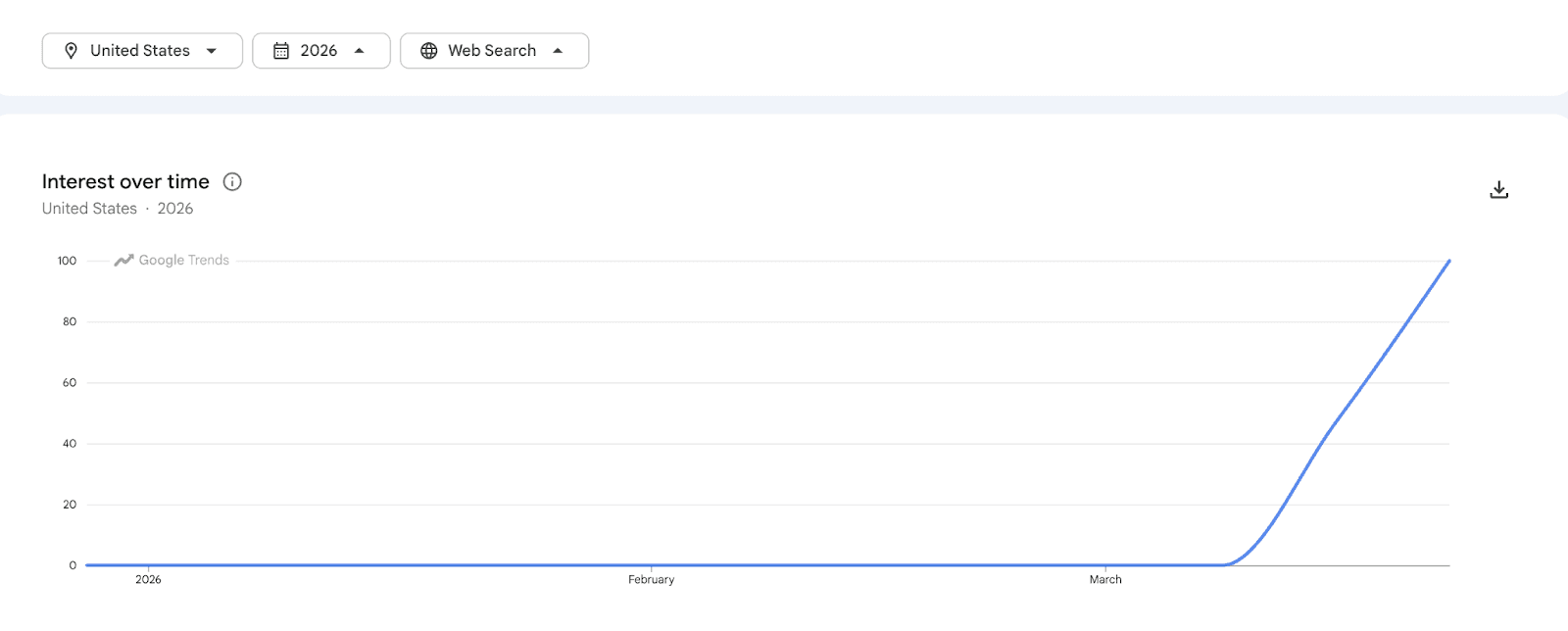
Demand signal: Sharp breakout spike on Google Trends after a long flat period, indicating early-stage viral traction rather than steady demand.
Price range: Around $50 sourcing cost to $130 selling price, leaving roughly 55% to 60% margin depending on positioning.
Why it works:
First-person content is gaining traction across TikTok and YouTube Shorts.
The spike suggests a trigger, likely viral content or creator adoption
Low barrier to use makes it appealing across multiple audiences
2. Mini Smartphone Projector
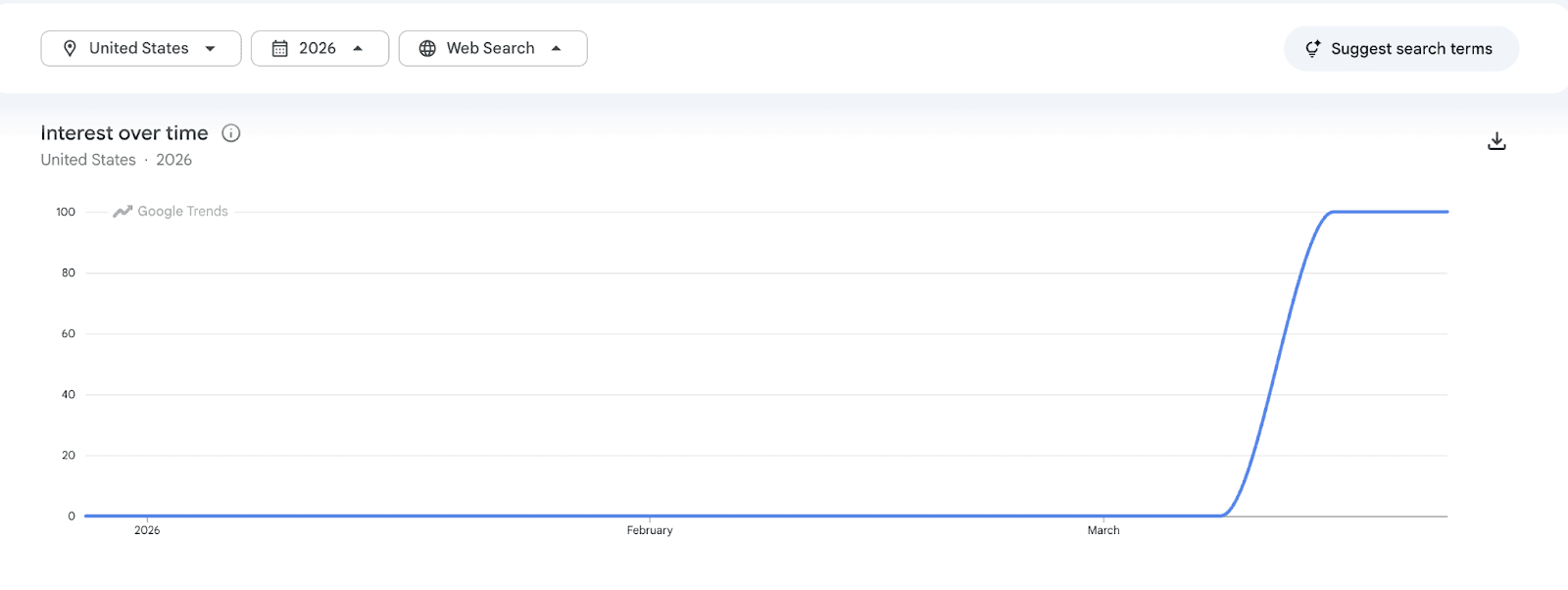
Demand signal: Explosive breakout on Google Trends followed by sustained peak interest, indicating active viral demand rather than a short spike.
Price range: Typically sourced between $25 to $60 and sold between $80 to $150, depending on bundle and positioning.
Why it works:
Strong visual payoff makes it ideal for short-form video ads.
Content instantly demonstrates value, which drives clicks and shares.
Appeals to students, casual viewers, and home entertainment buyers looking for a simple setup.
3. Magnetic Phone Grip (MagSafe Style)
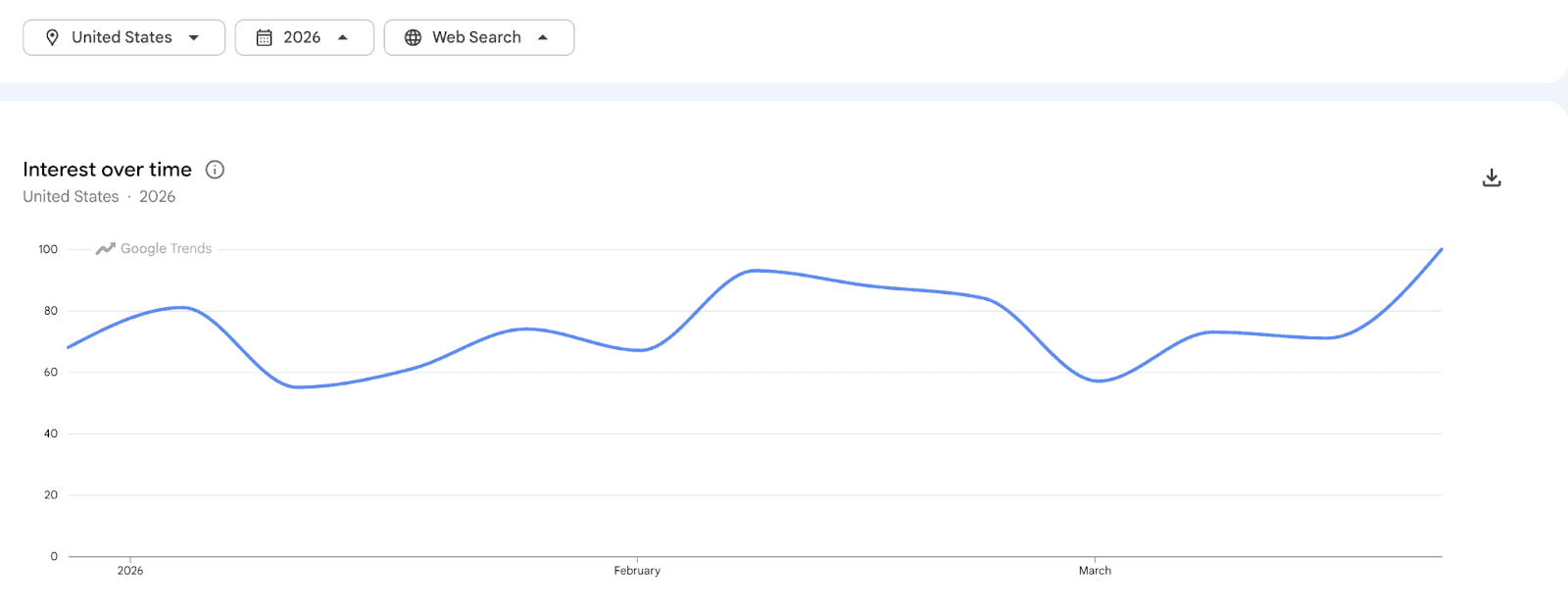
Demand signal: Stable search demand with recurring spikes, combined with strong category growth driven by the expanding magnetic accessory ecosystem.
Price range: Around $3 to $8 sourcing cost, typically sold between $15 to $30, depending on design and bundling.
Why it works:
A daily-use product that solves grip, comfort, and usability in one simple add-on
Magnetic ecosystem growth across iPhone and Android devices is expanding compatibility
High repeat purchase behavior as users upgrade phones and accessories
Beauty & Wellness Products
1. Cordless Hair Straightener / Curler
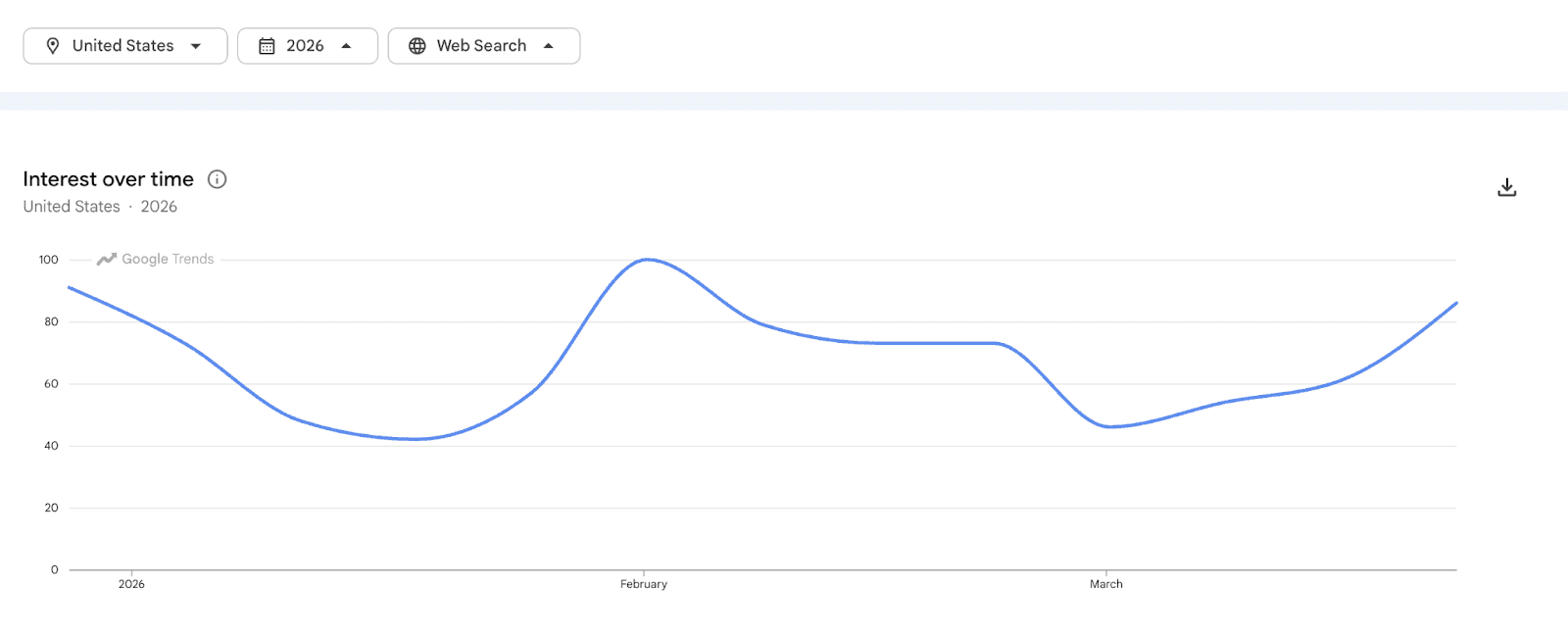
Demand signal: Strong search volume with recent upward recovery, combined with rising interest in cordless styling tools driven by portability and convenience trends.
Price range: Typically sourced between $20 to $60 and sold between $70 to $150, depending on brand positioning and features.
Why it works:
Cordless design solves a real problem for travel, quick touch-ups, and daily convenience
The multi-function straightener and curler reduces the need for multiple tools
Growing demand for at-home styling tools continues to push this category forward
2. LED Teeth Whitening Kit
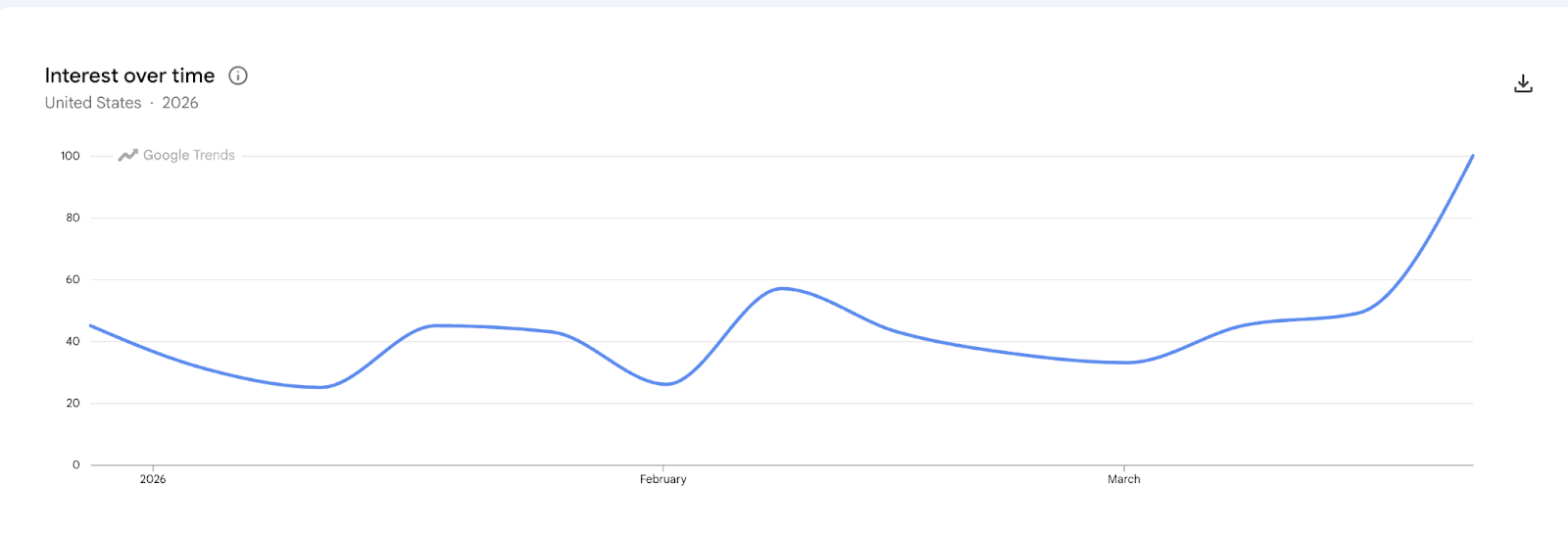
Demand signal: Sharp upward spike on Google Trends indicating fresh breakout interest, following a stable demand baseline.
Price range: Typically sourced between $10 to $25 and sold between $40 to $100, depending on branding and bundle offers.
Why it works:
Clear visual transformation makes it highly effective in short-form content
Fits into the growing at-home cosmetic treatment trend
High perceived value allows strong margins and bundling opportunities
3. Electric Scalp Massager
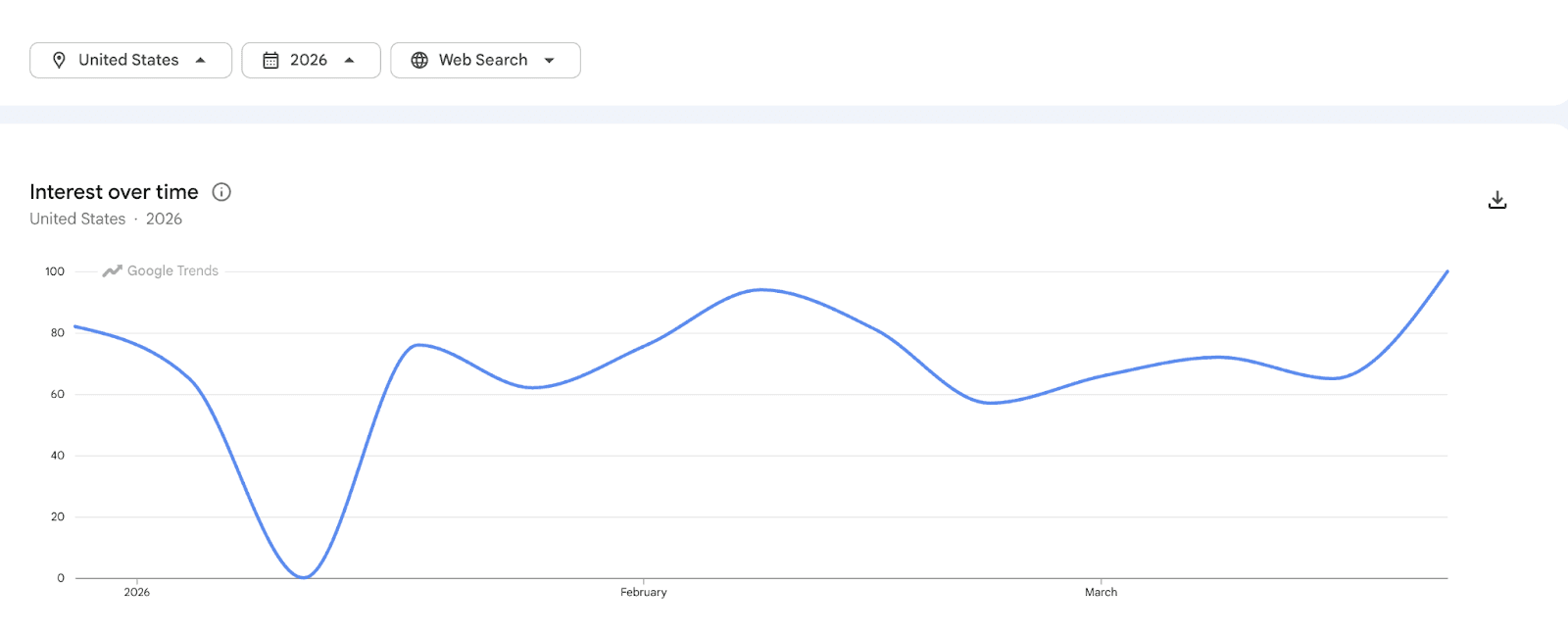
Demand signal: Stable search demand with recurring spikes on Google Trends and a recent push toward peak interest, indicating renewed momentum in an already established category.
Price range: Typically sourced between $8 to $20 and sold between $25 to $60, depending on build quality and features.
Why it works:
Combines stress relief, scalp care, and wellness in one simple product
Highly satisfying to watch and use, making it perform well in short-form content
Broad appeal across self-care, beauty, and relaxation audiences
4. Heated Eyelash Curler
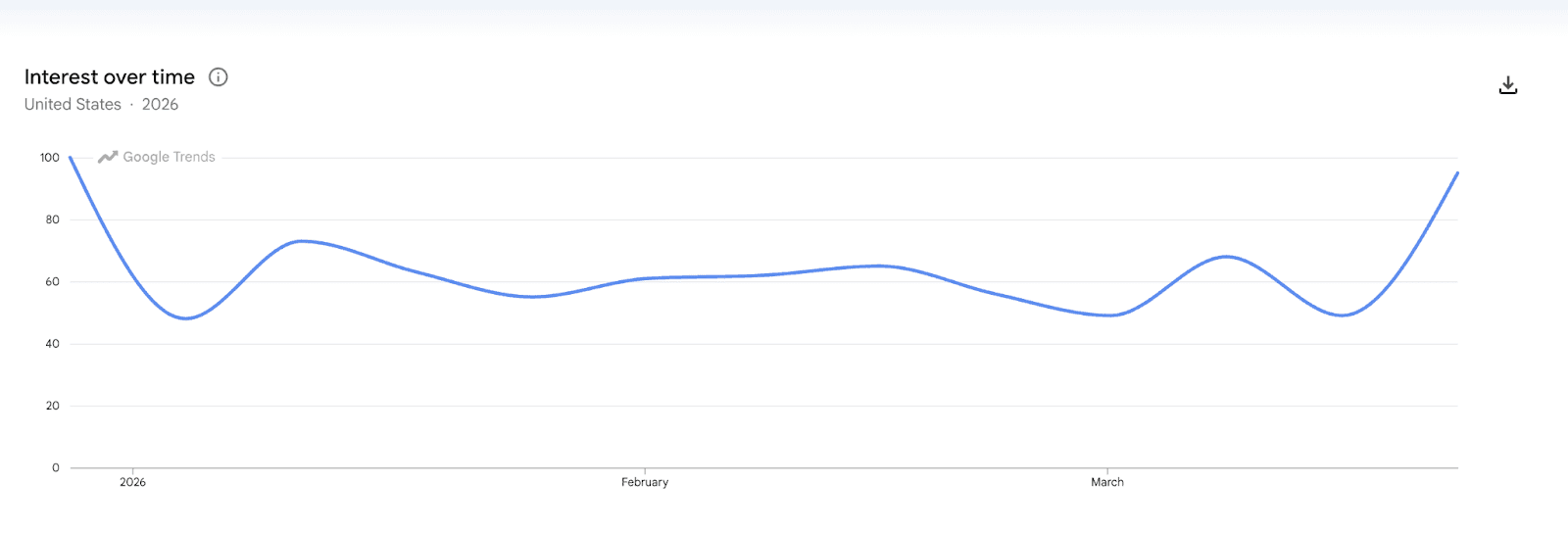
Demand signal: Stable demand with recurring fluctuations on Google Trends followed by a sharp upward trend, indicating renewed interest in quick, at-home beauty tools.
Price range: Typically sourced between $3 to $10 and sold between $15 to $35, depending on design and branding.
Why it works:
Instant visible results make it highly effective for short-form content
Solves a clear problem that traditional curlers struggle with
Compact, affordable, and easy to use daily
Pet Products
1. Automatic Pet Feeder
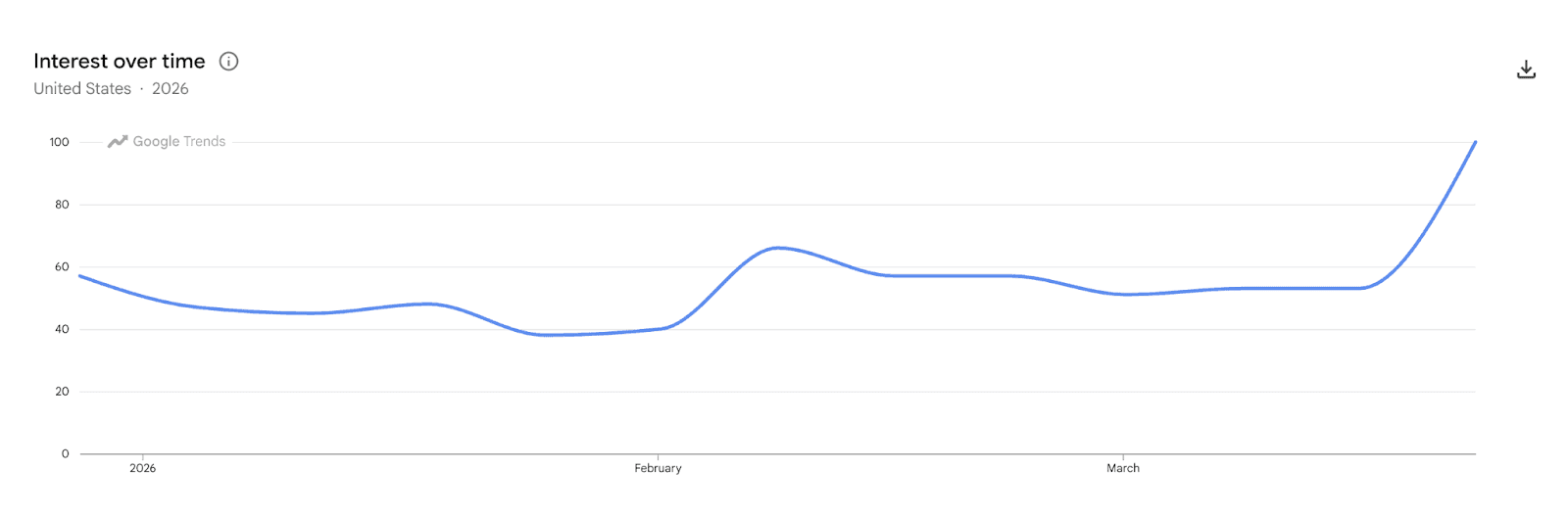
Demand signal: Stable baseline demand with a sharp breakout spike on Google Trends, indicating a fresh surge in interest driven by convenience-focused pet care trends.
Price range: Typically sourced between $20 to $60 and sold between $70 to $150, depending on smart features and build quality.
Why it works:
Solves a daily problem for pet owners who need consistent feeding schedules
Fits into the growing smart pet and home automation ecosystem
Strong perceived value allows premium pricing and bundling opportunities
2. Pet Water Fountain
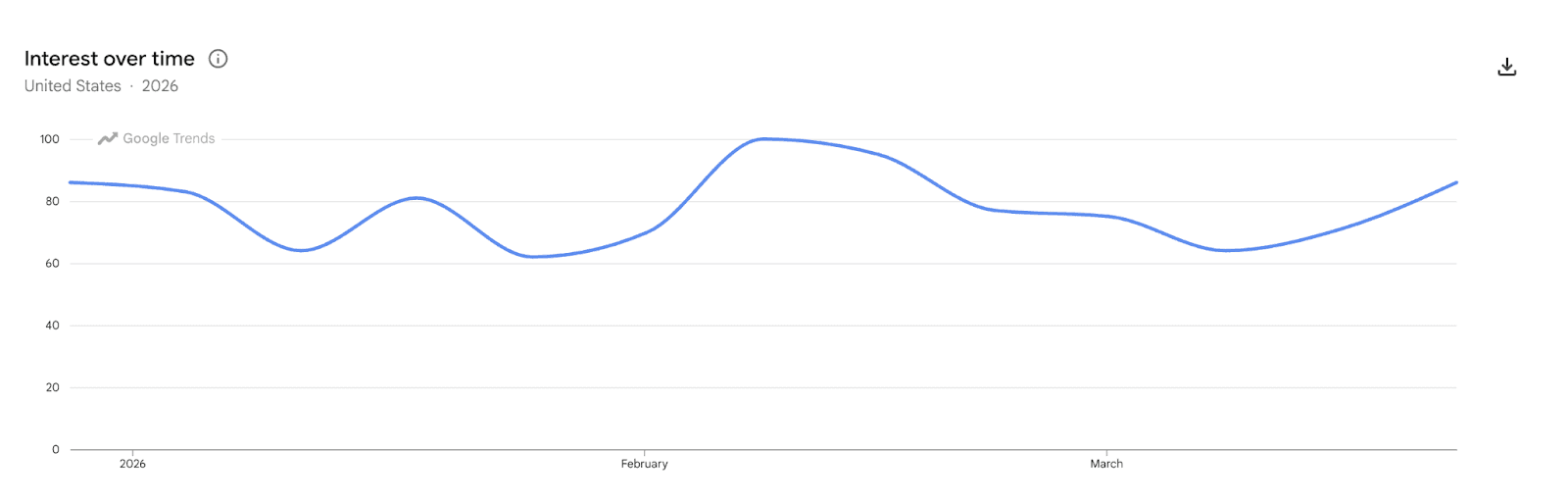
Demand signal: Stable demand with a strong mid-cycle peak followed by renewed upward movement, indicating sustained interest with ongoing re-acceleration rather than a one-time spike
Price range: Typically sourced between $8 to $25 and sold between $25 to $60, depending on the filtration system and design
Why it works:
Solves a real concern around pet hydration, especially for indoor pets
Fits into the growing shift toward daily pet care and wellness routines
Continuous-use product increases perceived value and repeat purchase potential
Clean, aesthetic designs perform well in short-form content and product pages
Home & Lifestyle Problem-Solving Products
1. Cordless Handheld Vacuum
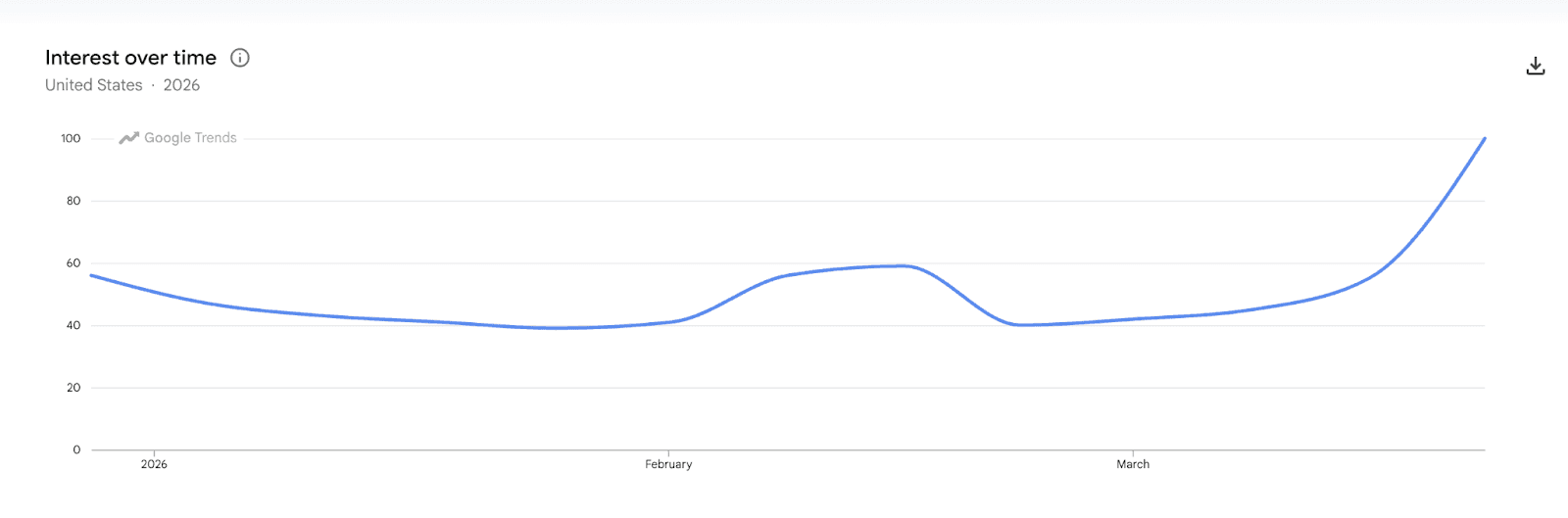
Demand signal: Stabilized demand followed by a sharp upward breakout on Google Trends, indicating renewed interest in an established product category rather than short-term viral spikes.
Price range: Typically sourced between $8 to $30 and sold between $25 to $80, depending on suction power and attachments.
Why it works:
Solves a daily cleaning problem for cars, sofas, and small spaces
Performs well in short-form demo videos showing instant results
Appeals to both impulse buyers and utility-driven customers
2. Silicone Floor Protectors
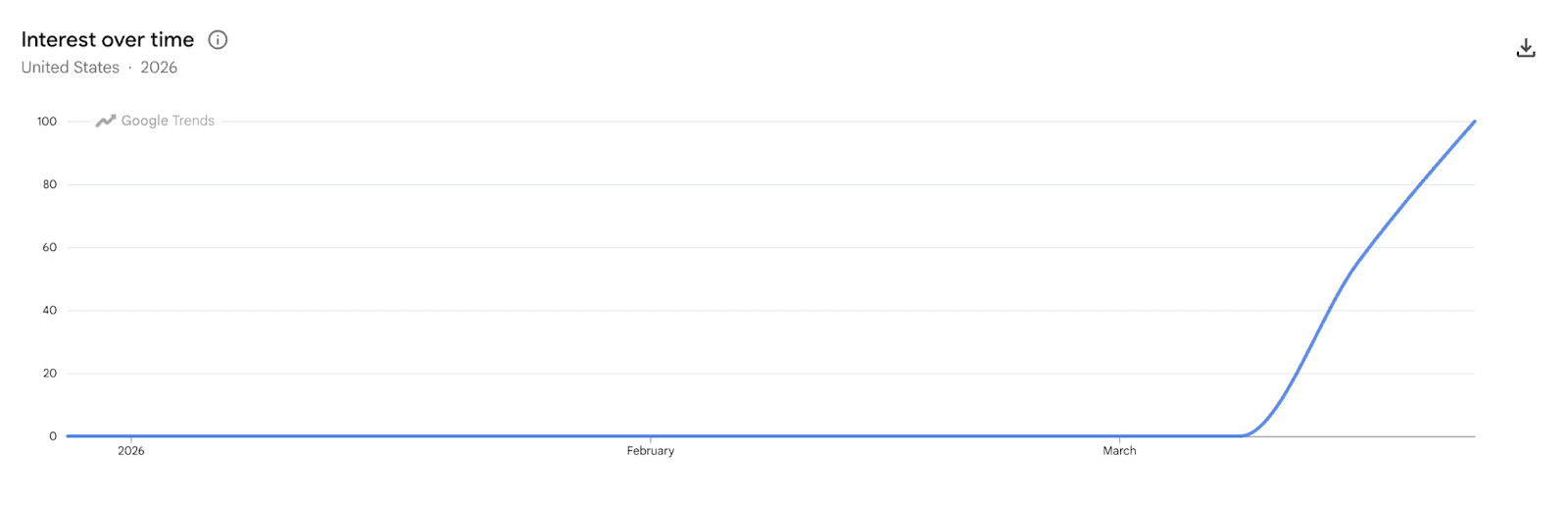
Demand signal: Sharp breakout on Google Trends with near-zero baseline followed by rapid growth, indicating new demand entering the market.
Price range: Typically sourced below $1 per unit and sold in packs between $5 to $15, depending on quantity and material quality.
Why it works:
Solves a common household problem of scratches and noise from moving furniture
Fits a wide range of chair and table legs, making it easy to sell at scale
Lightweight and bundle-friendly, which increases the average order value
3. Portable Neck Fan
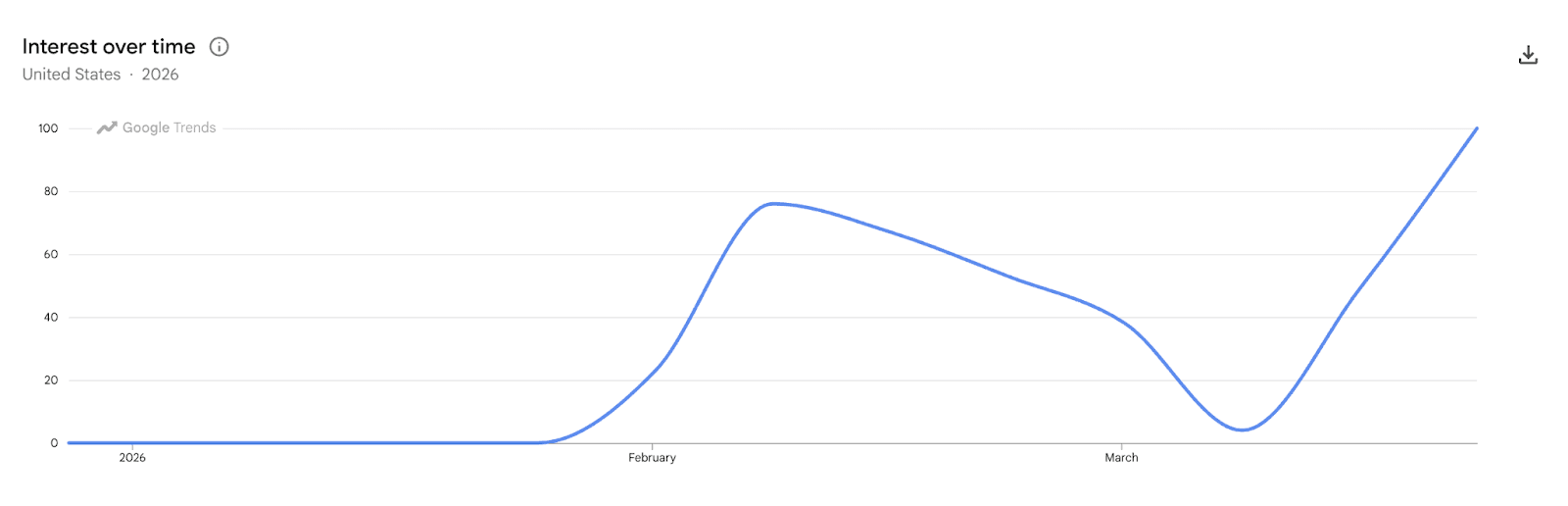
Demand signal: Initial breakout spike followed by a drop and a stronger second surge on Google Trends, indicating reactivation with higher momentum rather than a one-time seasonal spike.
Price range: Typically sourced between $3 to $10 and sold between $15 to $40, depending on battery capacity and airflow design.
Why it works:
Solves immediate discomfort during travel, commuting, and outdoor activities
Hands-free wearable design makes it highly appealing in short-form content
Lightweight and rechargeable, which increases usability and repeat demand
4. Electric Spin Scrubber
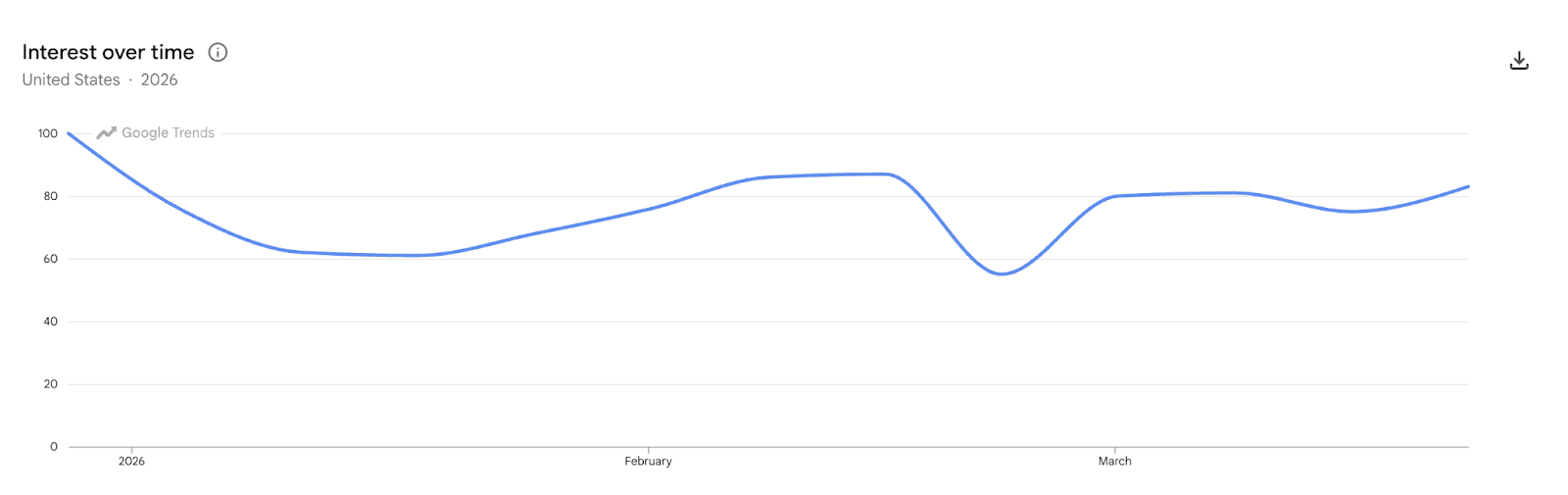
Demand signal: Cleaning tools like electric scrubbers are gaining traction due to their ability to reduce manual effort and time, with strong visibility across home improvement and product trend lists.
Price range: ~$10 to $25 cost → ~$30 to $80 selling price.
Why it works:
Removes tough dirt, grout stains, and buildup without manual scrubbing
Cordless design allows easy movement across bathrooms, kitchens, and floors
Multiple brush heads increase perceived value and usability
Strong visual transformation makes it highly effective for ads
Travel & Convenience Products Gaining Traction
1. Anti-Theft Sling Bag
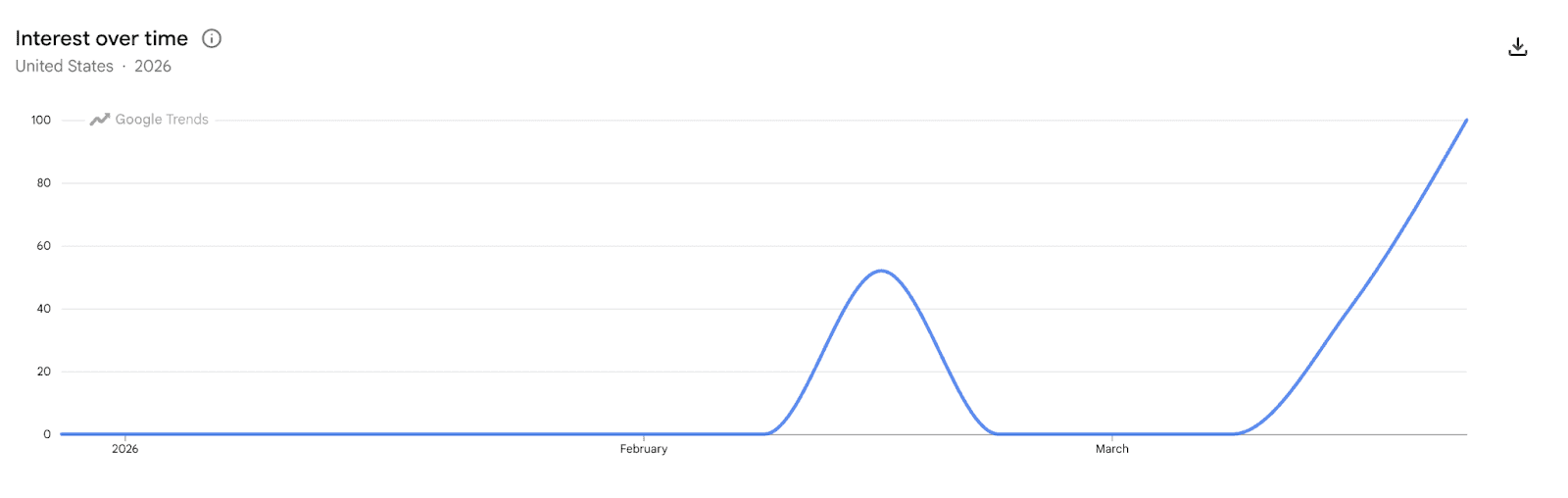
Demand signal: Reactivation pattern on Google Trends with a second strong breakout, indicating renewed demand driven by travel and urban safety concerns.
Price range: Typically sourced between $4 to $12 and sold between $20 to $50, depending on features like RFID protection and lock systems.
Why it works:
Addresses a real fear of theft during travel and commuting
Combines security with everyday usability, making it practical for daily use
Compact design with multiple compartments increases convenience and perceived value
2. Portable Door Lock
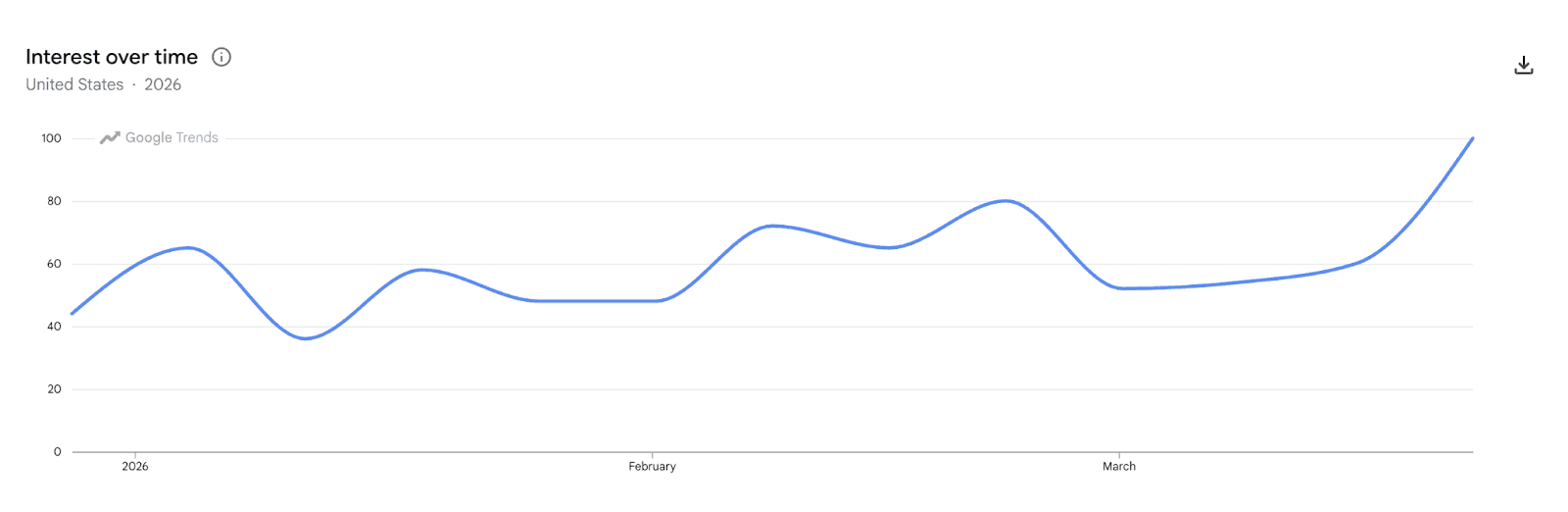
Demand signal: Reactivation pattern on Google Trends with a strong late-March breakout, indicating renewed demand rather than a one-time spike
Price range: Typically sourced between ~$3 to $10 and sold between ~$15 to $35, depending on build quality and portability
Why it works:
Rising travel safety awareness (Airbnb, hotels, solo travel) is pushing demand for personal security tools
No-install, instant-use product → frictionless buying decision
Small, lightweight form factor makes it ideal for travel kits and impulse purchases
The broader lock/security category is growing due to increased focus on safety and convenience
How These Products Were Identified (Live Data Methodology)
Instead of relying on single data points, we filtered products using a multi-signal validation system based on real-time activity across social platforms, search demand, and supplier data.
Each product included here showed alignment across three key signals within the last 14–30 days:
Social Media Traction: We tracked product visibility across TikTok and Instagram, focusing on items that appeared across multiple creators, niches, and ad formats.
Products were only considered if they showed repeated exposure (typically 5+ appearances within a short window) and strong engagement signals such as high view counts or interaction rates.Search Demand Validation: We used Google Trends to confirm whether social attention translated into actual user intent.
Priority was given to products showing breakout patterns or consistent upward trends, rather than isolated spikes.Supplier Activity Confirmation: We analyzed supplier-side momentum using platforms like AliExpress, looking for increasing order volume, multiple active sellers, and consistent product availability.
This helped confirm that demand was not only visible but also supported by real purchasing behavior.
Products that showed only short-lived viral spikes without sustained demand were excluded. The focus was on items demonstrating early but stable growth signals across all three layers.
What Makes a Product “Trending” Right Now
A product starts trending when attention, intent, and execution line up at the same time. It is not just about visibility. It is about catching movement early, validating it with data, and making sure it is actually sellable.
Search growth vs stable demand: Rising keywords point to early opportunities, while steady, high-volume terms confirm proven demand
Social proof acceleration: Viral content speeds up validation, and strong engagement often shows where demand is building
Margin and logistics feasibility: Products need room for 50% to 70% margins, and fast shipping plays a direct role in customer satisfaction
No single metric tells the full story. The signal appears when all three start moving together.
Where Sellers Lose Money with Trending Products
Most losses do not come from picking the wrong product. They come from timing, execution, and what happens after the first sale.
Jumping on trends too late: By the time a product is everywhere, margins shrink, and competition drives ad costs up
Poor supplier quality: Inconsistent products lead to refunds, returns, and negative reviews, which damage long-term sales
Slow shipping times: Delays directly impact customer satisfaction, with shipping issues contributing to a large share of dropshipping failures
Lack of creative differentiation: Copying the same ads as everyone else leads to lower engagement and rising acquisition costs
Using an All-in-One Platform to Execute Faster
Once a product is validated, speed becomes the deciding factor. The gap between spotting an opportunity and getting a store live is where most sellers slow down.
Setting up a store, finding suppliers, and figuring out shipping timelines can easily stretch into days. By the time everything is ready, the product you found early no longer feels early.
This is where having everything in one place changes how quickly you can move. With Ecommerce, you can start with a store that is already structured and loaded with products backed by real data, which cuts out the initial setup time. Supplier sourcing does not turn into a separate task either. Instead of reaching out and negotiating, vetted suppliers compete for your order, which helps you lock in better pricing without extra steps.
Fulfillment runs in the background, with orders processed automatically and delivery timelines staying within 4 to 11 days. That consistency matters once sales start coming in, since delays are what usually turn early wins into refund issues.
When the setup, sourcing, and fulfillment are handled together, the time between finding a product and getting your first sale becomes much shorter. That speed is what lets you act on trends while they are still moving.
Turn Signals Into Sales Before They Fade
Finding a trending product is only half the equation. What you do next decides whether it turns into revenue or just another missed opportunity. The patterns you saw throughout this guide are meant to help you think differently about timing. Instead of chasing what is already everywhere, you focus on what is just starting to move and act while the window is still open.
Execution is where most sellers fall behind. Delays in setting up a store, dealing with unreliable suppliers, or managing slow shipping can erase the advantage of spotting a trend early. That is why having a system that keeps everything connected matters. With Ecommerce, you can move from idea to live store without getting stuck in setup, work with vetted suppliers through a bidding system, and keep fulfillment running with 4 to 11-day delivery timelines.
The goal is simple. Shorten the gap between discovery and action, keep operations stable as orders come in, and test faster than the market catches up.
Start testing while demand is still building, not when it is already crowded.
FAQs
How do I find trending products before they go viral?
Look for repetition, not reach. When the same product starts appearing across multiple creators, niches, and ad formats, it signals early traction. Then confirm it on Google Trends. A rising curve or fresh breakout matters more than a single spike.
Are TikTok products good for dropshipping?
They can be, but visibility alone is not enough. A product works when it combines strong engagement with clear utility. If it looks good in a video but has no practical use or repeat demand, it will struggle after the initial push.
How often should I update my product list?
Treat it as an ongoing process, and not just a one-time task. Review signals weekly and refresh your list based on what is gaining traction. Trends move fast, and staying static usually means falling behind.
What margins should I aim for in dropshipping?
Aim for at least 50% to 70% margins to stay profitable after ad spend and returns. Lower margins leave little room for testing and scaling, especially when acquisition costs fluctuate.
Can beginners sell trending products successfully?
Yes, but speed and simplicity matter. Focus on one product, test quickly, and avoid overcomplicating setup. A clean store, reliable supplier, and fast execution matter more than experience at the start.
How do I validate a product before running ads?
Check three things. Is it appearing consistently across social platforms? Is search demand rising on Google Trends? Does it solve a clear problem that can be demonstrated quickly? If all three align, it is ready to test.


